9 hours ago
Reno, Nevada: The Queer-Friendly Desert City Hiding in Plain Sight
READ TIME: 7 MIN.
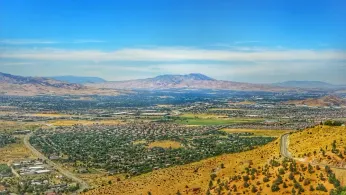
Step off the plane in Reno and the first thing you notice is the light: high‑desert sun pouring over snow‑dusted peaks, glinting off the Truckee River, catching on murals that wrap old brick warehouses in neon‑bright color. A decade ago, many travelers treated this northern Nevada city as a place to pass through on the way to Lake Tahoe or Burning Man. Today, Reno is increasingly a destination in its own right – and a quietly powerful choice for LGBTQ+ travelers looking for something smaller, more affordable, and more community‑driven than big‑name queer cities on the coasts.
Reno does not market itself as a gay resort town in the mold of Palm Springs or Provincetown, but local advocacy and cultural shifts have made it one of the more tangible examples of LGBTQ+ inclusion in the Intermountain West. In 2023 the city earned a perfect 100 score on the Human Rights Campaign Municipal Equality Index, which evaluates local laws, policies, and services affecting LGBTQ+ residents and visitors. That score – repeated in multiple recent years – places Reno in the same tier as far more famous queer destinations, signaling that the legal and policy climate is notably welcoming.
For queer travelers, policy can matter as much as nightlife. Reno’s 100‑point ranking on the Human Rights Campaign Municipal Equality Index reflects citywide nondiscrimination protections, inclusive municipal employment benefits, and active engagement with LGBTQ+ community organizations. Nevada state law also bans discrimination based on sexual orientation and gender identity in employment, housing, and public accommodations, and includes gender identity in its hate‑crime statute. These measures create a baseline of legal safety that many queer travelers specifically look for when choosing a destination.
In practical terms, this framework shows up in everyday civic life. The City of Reno has an official Human Rights Commission that includes focus on LGBTQ+ equity, and city leadership has publicly marked Pride Month with proclamations and the raising of Pride flags at government buildings in recent years. For transgender people and nonbinary visitors, the presence of explicitly inclusive language in city and state policies can help reduce the anxiety that often comes with navigating new public spaces.
If you look beyond casino marquees, a network of LGBTQ+ organizations gives Reno’s queer community structure and visibility. The long‑running nonprofit Our Center operates as northern Nevada’s LGBTQ+ community hub, providing support groups, youth programming, social events, and resources for transgender people and queer elders. Its calendar, which ranges from gender‑affirming peer circles to low‑key social nights, offers easy entry points for visitors who want to connect with locals rather than just pass through town.
On the university side, the University of Nevada, Reno hosts a Pride‑focused LGBTQ+ and ally student organization, along with an official Gender, Race, and Identity academic program that regularly sponsors public lectures and cultural events touching on queer issues. This campus presence filters into the city’s social life, particularly in the Midtown and downtown corridors, where students mingle with long‑time residents, artists, and hospitality workers.
Healthcare access, a concern for many LGBTQ+ travelers, is also part of the picture. Renown Health, the region’s major not‑for‑profit healthcare system, publicly states that it offers LGBTQ+ inclusive care and has participated in Pride events, while Northern Nevada HOPES – a community health center based in Reno – provides gender‑affirming care, HIV services, and PrEP access in an affirming environment.
For a city its size, Reno’s Pride weekend is striking. The Northern Nevada Pride parade and festival, centered in Midtown Reno along the Truckee River and organized by Our Center, draws tens of thousands of attendees annually and has grown steadily in scope, adding multiple performance stages, family spaces, and an expanded list of local and regional sponsors. The event explicitly positions itself as a cross‑border celebration, reflecting Reno’s role as the main urban center for a vast rural region of Nevada and neighboring California.
Reno’s queer calendar does not end in July. Our Center and Northern Nevada Pride collaborate on events throughout the year, including Transgender Day of Visibility observances, youth‑oriented gatherings, and community resource fairs. The city has also hosted drag brunches, LGBTQ+ film screenings connected to local independent theaters, and queer‑inclusive arts programming during the larger citywide Artown festival each July, which presents hundreds of music, theater, and visual arts events across Reno.
The Midtown district is where many visitors first sense how much Reno has changed. Over roughly the past decade, this formerly overlooked stretch south of downtown has become a walkable corridor of independent coffee shops, bars, vintage stores, tattoo studios, and restaurants, anchored by large‑scale murals commissioned through city and arts‑organization partnerships.
Local tourism and business organizations often highlight Midtown as the heart of Reno’s creative resurgence, and it is also where you will find a concentration of queer‑friendly spaces. LGBTQ+ travelers report gravitating to venues that openly advertise drag shows, Pride‑month specials, or support for local LGBTQ+ charities, particularly along Virginia Street and surrounding side streets.
Queer nightlife here tends to blur the line between “gay bar” and mainstream venue. Bars and lounges host themed nights featuring drag performers from Reno and nearby Sacramento, while live‑music spots book queer‑fronted bands and singer‑songwriters. During Northern Nevada Pride weekend, the neighborhood becomes an unofficial festival after‑party strip, with rainbow flags and trans flags hanging from balconies and chalk art spilling onto sidewalks.
Reno’s downtown has long been defined by casinos, but recent years have seen a shift toward a more mixed‑use, river‑oriented urban core. The Truckee River Walk – a paved path along the water lined with public art, small parks, and patio dining – has become a central gathering place for locals and visitors. Water levels permitting, you can watch kayakers navigate the whitewater features of the Truckee River Whitewater Park from a café table or amphitheater seat, a scene that feels far from the windowless gaming floors Reno was once known for.
While casinos still dominate some blocks, several major properties have repositioned themselves to emphasize food, live entertainment, and event hosting, including concerts and conventions that draw a visibly queer crowd. Regional LGBTQ+ sports associations and community groups have used downtown hotels as home‑base properties during Pride and other gatherings, contributing to a sense of comfort for queer travelers moving between the riverfront, arts spaces, and evening events.
For those who prefer quieter nights, boutique hotels and short‑term rentals in the Riverwalk and Midtown areas offer walkable access to dining and arts venues without requiring guests to pass through gaming floors, an option some LGBTQ+ travelers specifically seek out for comfort and accessibility reasons.
Reno’s arts ecosystem has grown alongside its queer community. The city brands itself officially as “Artown” during its July arts festival, which features over 500 events across genres, many of them free and family‑friendly. Drag performers, queer musicians, and LGBTQ+ visual artists have been part of Artown programming, often in collaboration with Our Center and other community groups to ensure inclusive representation.
Reno is also a key staging city for the Burning Man festival in Nevada’s Black Rock Desert, and the influx of artists, makers, and radically self‑expressive participants has shaped the local creative scene. Queer travelers who connect with Burning Man’s culture of radical inclusion and gender‑variant expression will find echoes of that ethos in Reno’s warehouse galleries, maker spaces, and interactive sculptures installed around downtown and the riverfront.
Formal institutions anchor this creative energy. The Nevada Museum of Art, the state’s only accredited art museum, regularly mounts exhibitions engaging with issues of identity, landscape, and social change, including shows by artists who explore queer and gender‑nonconforming themes. The museum also partners with local organizations and schools, helping to normalize LGBTQ+ inclusion within Reno’s broader cultural life.
Part of Reno’s appeal is how quickly you can move from urban streets to open landscapes. The city sits at the base of the Sierra Nevada, a short drive from alpine lakes, high‑desert trails, and ski resorts around Lake Tahoe. For LGBTQ+ travelers who prioritize outdoor experiences, this means the ability to pair queer nightlife and cultural events with hiking, snowboarding, or kayaking in a single trip.
Lake Tahoe, about 45 minutes from Reno depending on route and conditions, is an established regional draw with beaches, ski areas, and year‑round recreation. LGBTQ+ visitors frequently base themselves in Reno for more affordable lodging and queer community access, then make day trips to Tahoe for alpine scenery and outdoor sports. Local LGBTQ+ groups have organized queer‑inclusive hikes, snow days, and paddling meetups, often publicized through their websites and social media.
Within the city limits, the Truckee River corridor functions as an everyday nature escape. Shade trees, small beaches, and pedestrian bridges make it easy to find quieter corners for reflection or a picnic, while dog‑friendly paths attract a steady flow of locals and their pets. For transgender travelers and others who sometimes feel scrutinized in more confined spaces, the combination of open sightlines and mixed crowds can contribute to a greater sense of ease.
Unlike more famous LGBTQ+ destinations, Reno rarely appears at the top of national queer travel lists, which tend to spotlight coastal cities, historic resort towns, or long‑known “gayborhoods.” Yet affordability rankings and “most overlooked” city features aimed at general travelers have increasingly called attention to Reno’s revitalization, its growing arts profile, and its positioning as a smaller, more accessible alternative to larger metros.
For LGBTQ+ travelers, that under‑the‑radar status can be part of the draw. Instead of a destination dominated by tourism, visitors encounter a city where queer life is woven into everyday institutions: a community center on a neighborhood street rather than a resort complex, drag artists sharing festival stages with bluegrass bands, Pride floats sponsored by local clinics and libraries.
Reno’s combination of robust legal protections, an active community center, a growing arts scene, and direct access to Sierra Nevada landscapes positions it as a compelling “hidden gem” for LGBTQ+ travelers who want to feel both welcomed and genuinely plugged into local culture. For queer people used to choosing between high‑priced resort enclaves and large, sometimes overwhelming cities, the Biggest Little City offers a third option: a place where the Pride flags on downtown bridges and the pronoun pins at coffee counters are not a curated brand, but simply part of how the city is learning to see itself.